
Some journeys stay with us because of the places we’ve seen. Others linger through the flavors, aromas, and moments that bring us back long after we’ve returned home.
In Serbia, food has never been just a meal. It is an invitation to gather around the table, a reason to connect, and one of the most authentic ways to discover the people and regions that shape the country.
From family recipes passed down through generations to boutique wineries, rural households, and contemporary restaurants recognized by international gastronomic guides, Serbia is increasingly being discovered through its rich culinary identity.
Serbia’s Wine Routes: Where Tradition Meets a New Generation
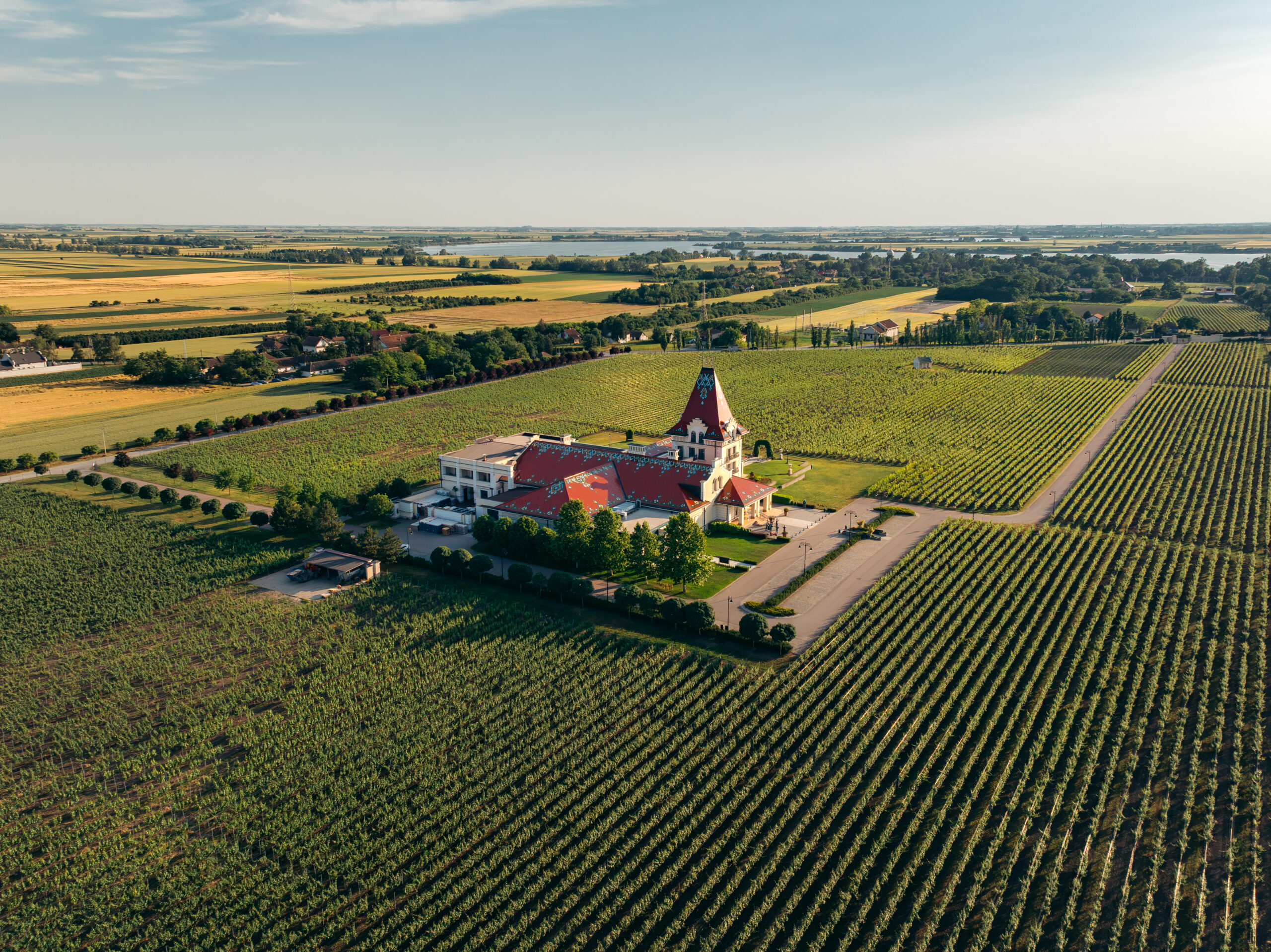
Stretching from Fruška Gora and Srem to Šumadija, Župa, and the Negotin region, Serbia’s wine routes reveal landscapes where centuries-old winemaking traditions blend seamlessly with modern wine experiences.
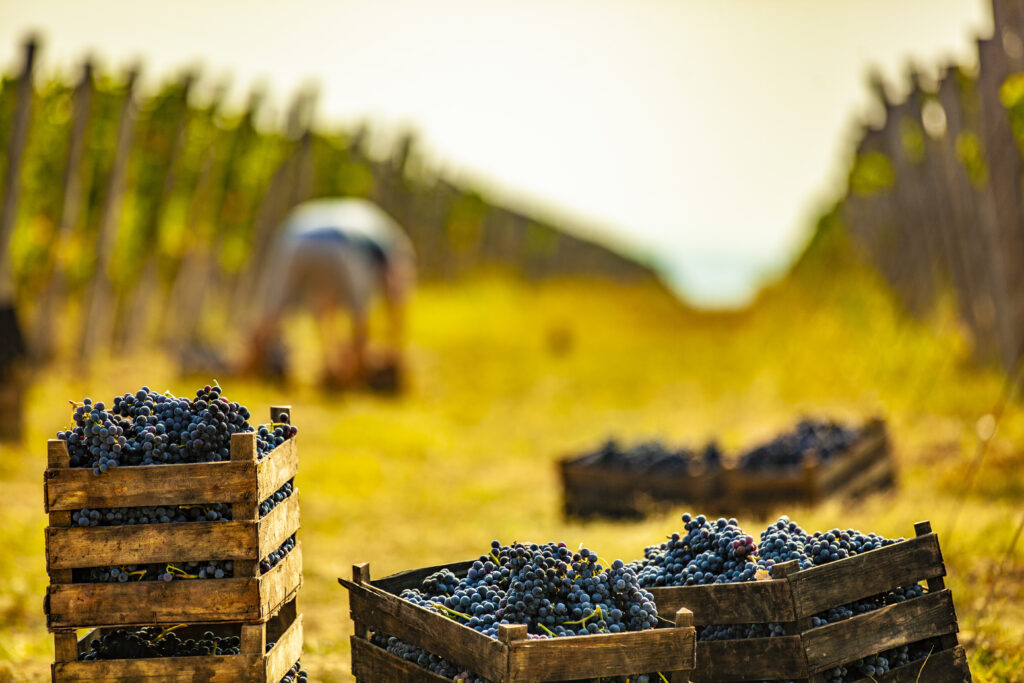
Indigenous grape varieties such as Prokupac and Tamjanika have become favorites among wine enthusiasts seeking authentic flavors unique to this part of Europe.
Today, Serbia is home to around 500 registered wineries, and a visit to its vineyards offers much more than a wine tasting. It is an opportunity to stroll through scenic vineyards, meet passionate winemakers, discover local delicacies, and experience the distinctive cuisine of each region.
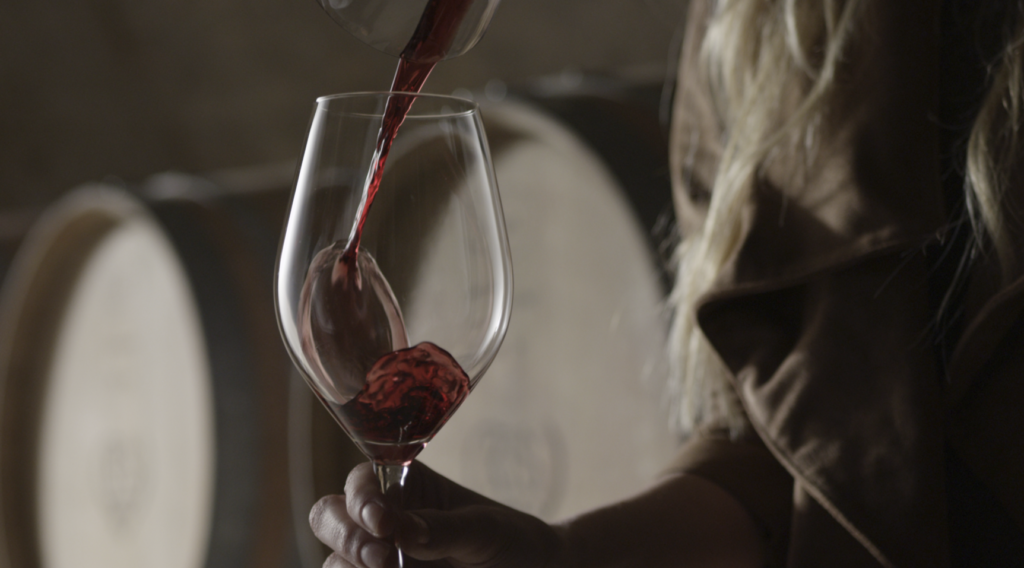
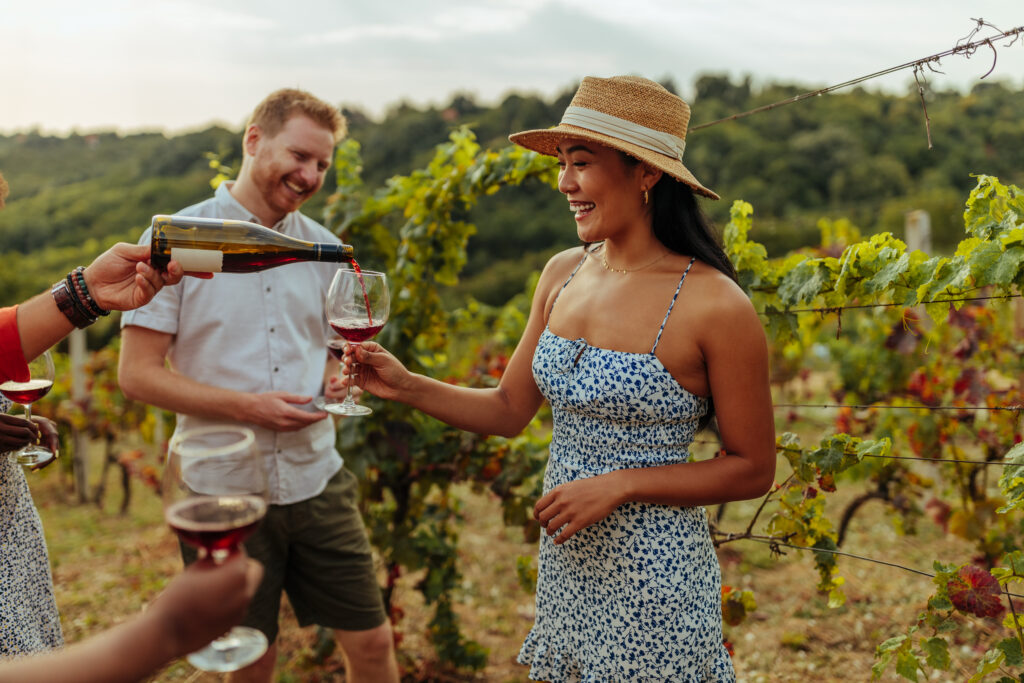
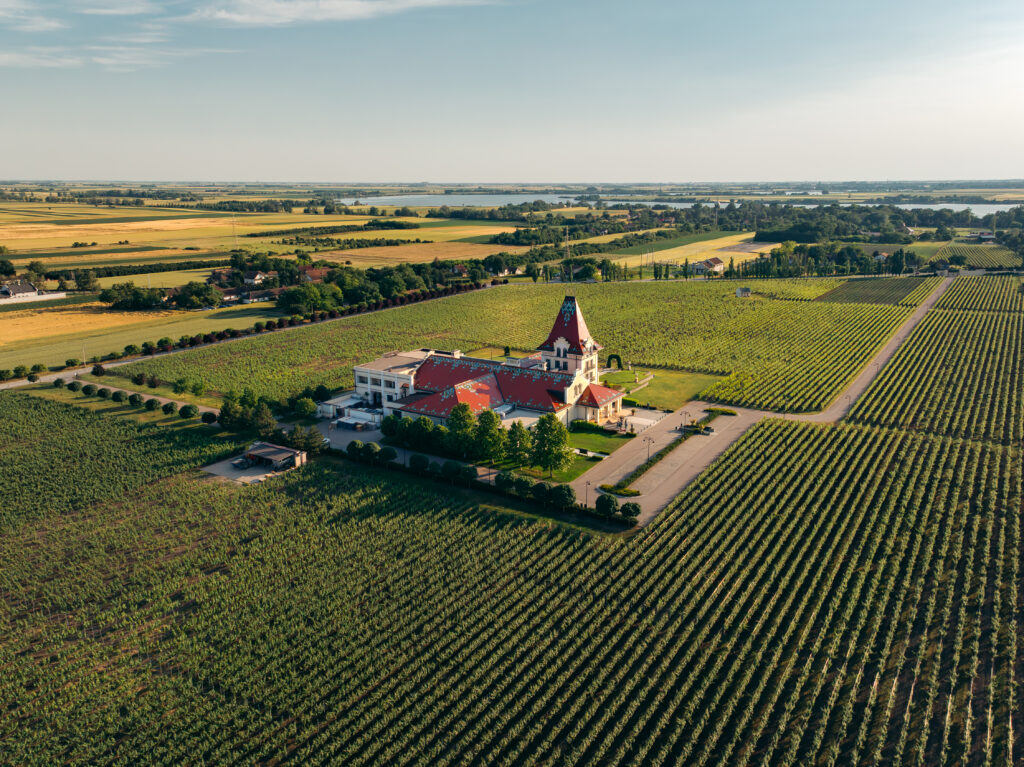
Among Serbia’s most celebrated wine destinations is Fruška Gora, renowned for its family-owned wineries, centuries of winemaking heritage, and the famous dessert wine Bermet. Combined with nearby monasteries, natural landscapes, and thermal springs, it offers the perfect setting for a relaxing gourmet weekend.
From Vojvodina Farmsteads to the Flavors of Western and Southern Serbia
Every region of Serbia tells its own culinary story.
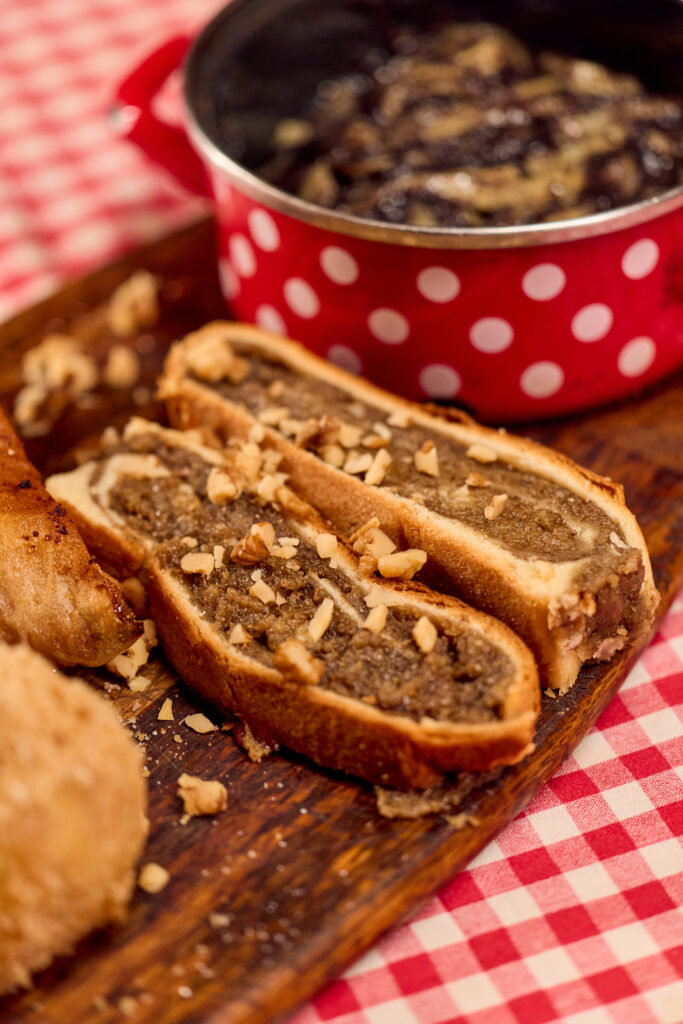
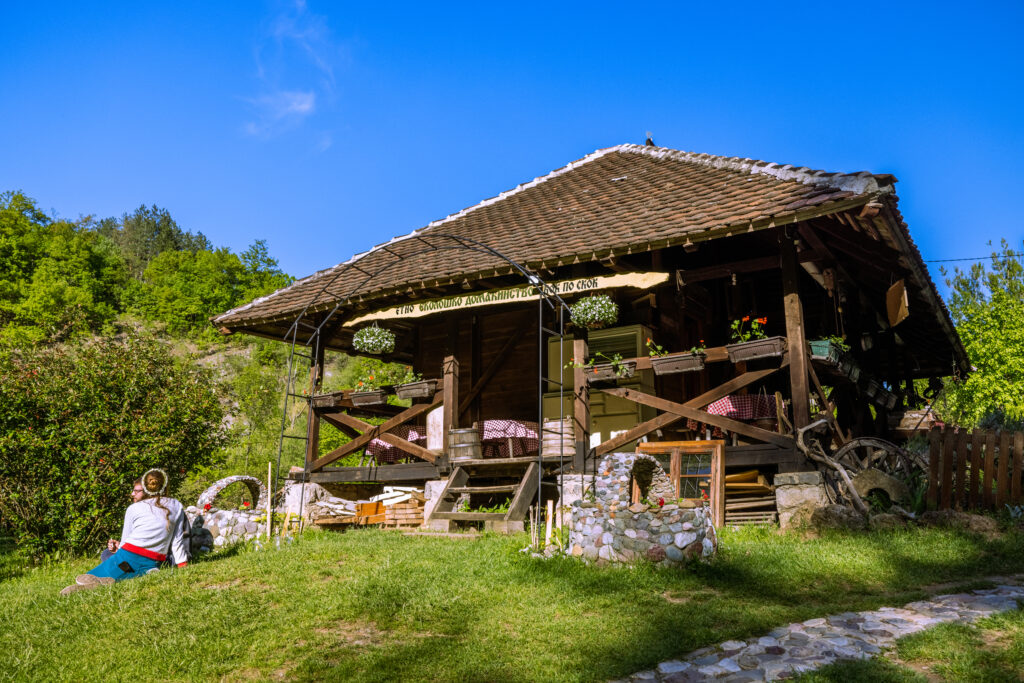
In Vojvodina, traditional farmsteads known as salaši welcome visitors with homemade pastries, artisan cheeses, multicultural specialties, and leisurely meals that celebrate hospitality.
Šumadija is known for its orchards, home-style cuisine, and long tradition of fruit brandy production, while Western Serbia showcases mountain specialties including creamy kajmak, handcrafted cheeses, and dishes prepared according to recipes preserved for generations.
Further south, the cuisine becomes bolder, with renowned grilled specialties and dishes that reflect the character and warmth of the region.
Together, these diverse traditions create a culinary map where every journey introduces a new flavor and every destination offers a different story.
From Local Markets to Fine Dining
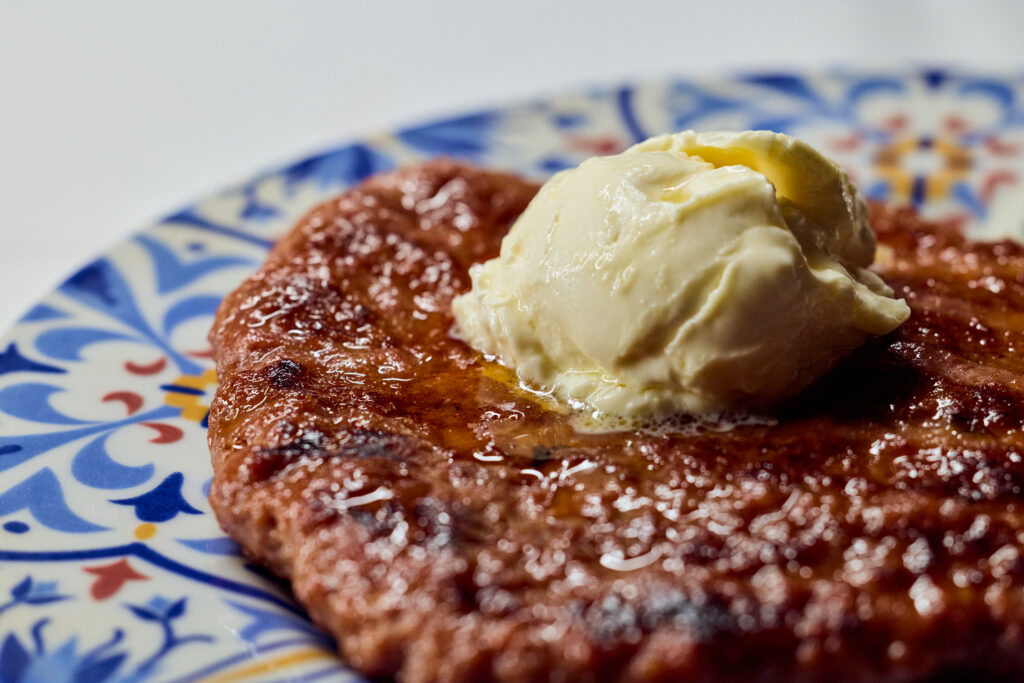
Serbia’s most memorable gastronomic experiences often begin in the simplest places: at a local farmers’ market, in conversation with a host, at a traditional kafana, or around the table of a family-owned rural household.
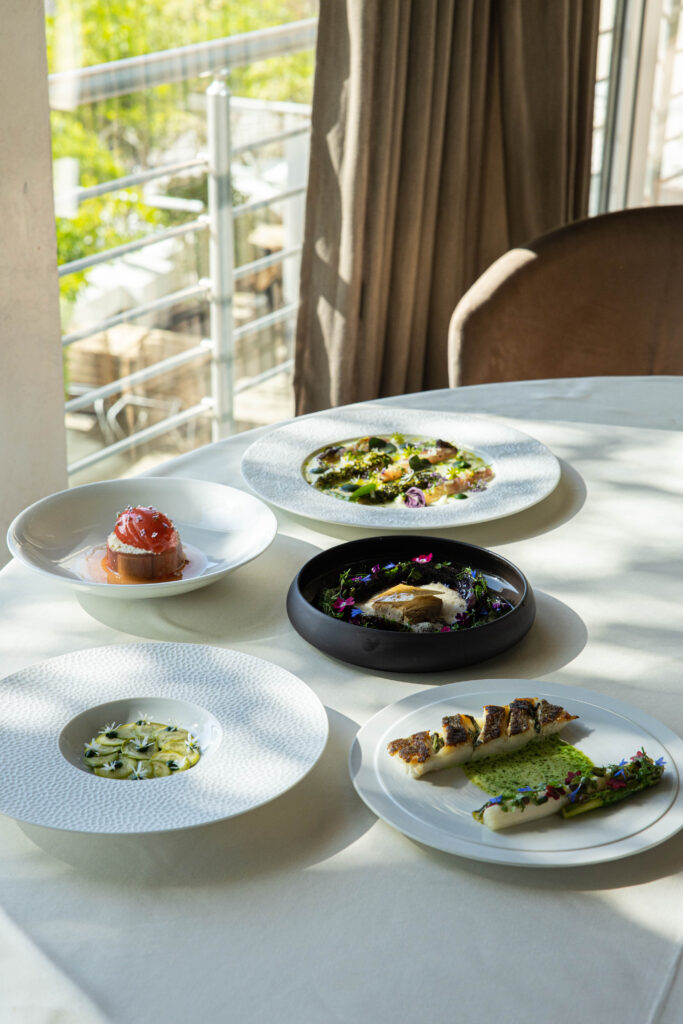
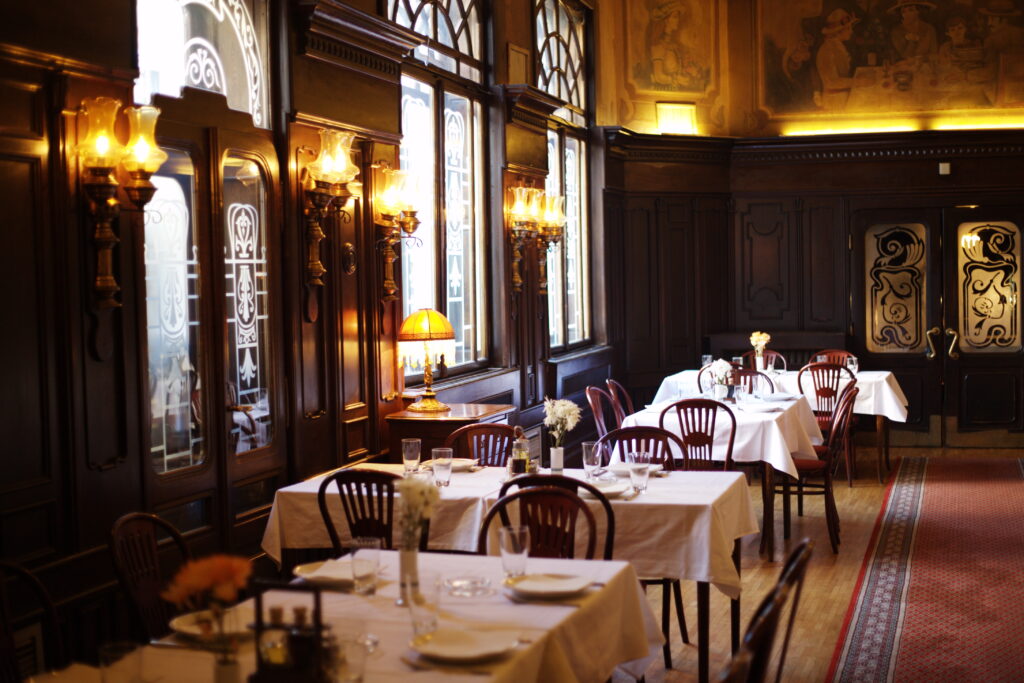
At the same time, the country has developed a vibrant contemporary dining scene. A new generation of chefs is reimagining traditional recipes using exceptional local ingredients, creating restaurants that combine authenticity with innovation.
In a single day, visitors can enjoy lunch at a countryside farmstead, tour a winery, sample premium fruit brandies at a distillery, and end the evening with a refined dinner at a modern fine dining restaurant.
Serbia on the Global Gastronomic Map
Serbia’s culinary evolution has also gained international recognition.
The MICHELIN Guide Belgrade 2026 features its largest selection to date, with 25 recommended restaurants, including five new additions, while two restaurants have retained their prestigious MICHELIN stars.
The country’s growing reputation is further reflected in the Gault&Millau Serbia 2026 Guide, which includes 141 restaurants and 131 POP locations across the country, demonstrating that exceptional culinary experiences can be found far beyond the major cities.
In Serbia, food is never just about recipes.
It is about people, landscapes, traditions, and the unforgettable moments shared around the table.